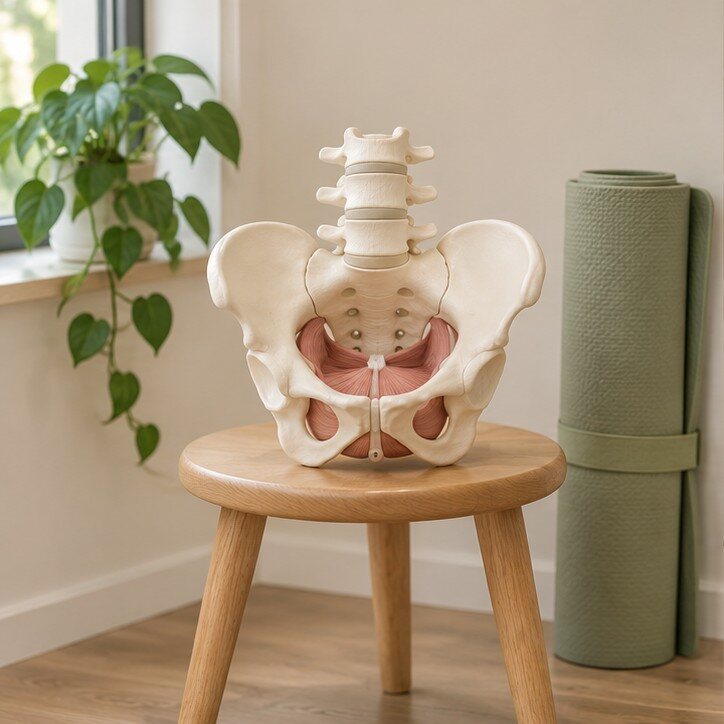
Pelvic floor physiotherapy
I support you with involuntary urine leakage, strong urinary urgency, prolapse symptoms, pelvic pain and difficulties emptying your bladder or bowels.
About me

Physiotherapist (FH)
Pelvic Floor Physiotherapist
Specialist in pelvic floor health, pregnancy and postnatal rehabilitation
Every body has its own story and individual needs. That is why you and your personal circumstances are at the centre of my approach. I take the time to understand your concerns, answer your questions and provide the support you need throughout your treatment.
With over 14 years of clinical experience and ongoing professional development, I offer expert, personalised physiotherapy to help you improve your mobility, body awareness and quality of life.
My main area of expertise is pelvic floor physiotherapy and women’s health. I support women through different stages of life – during pregnancy, following childbirth and throughout menopause, as well as those experiencing pelvic floor dysfunction and other physical changes.
Alongside my specialisation, I provide physiotherapy for women and men, including manual therapy, manual lymphatic drainage with or without compression bandaging, dry needling and scar treatment. Every treatment plan is tailored to your symptoms, needs and goals.
I support you with involuntary urine leakage, strong urinary urgency, prolapse symptoms, pelvic pain and difficulties emptying your bladder or bowels.
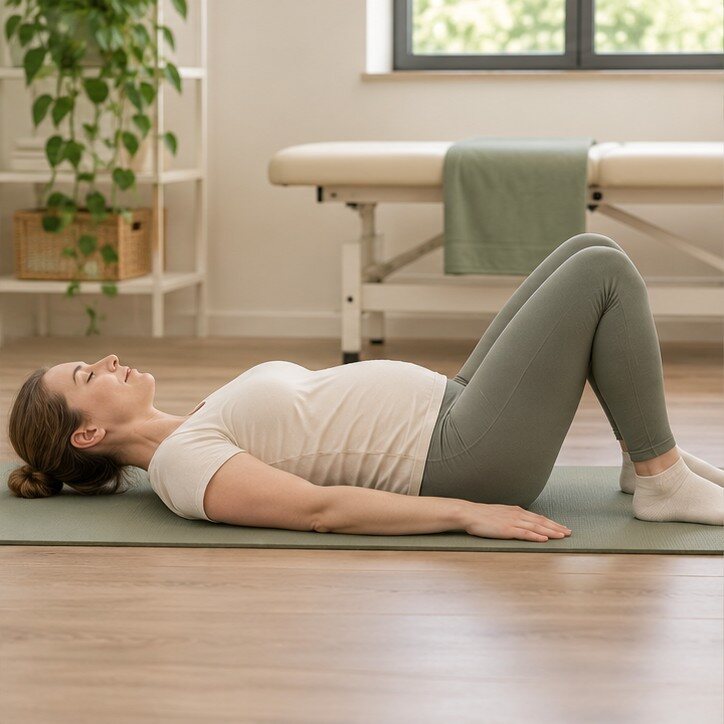
Physiotherapy for back and pelvic pain during pregnancy. Pelvic floor and abdominal check-up after birth, plus individual postnatal rehabilitation.
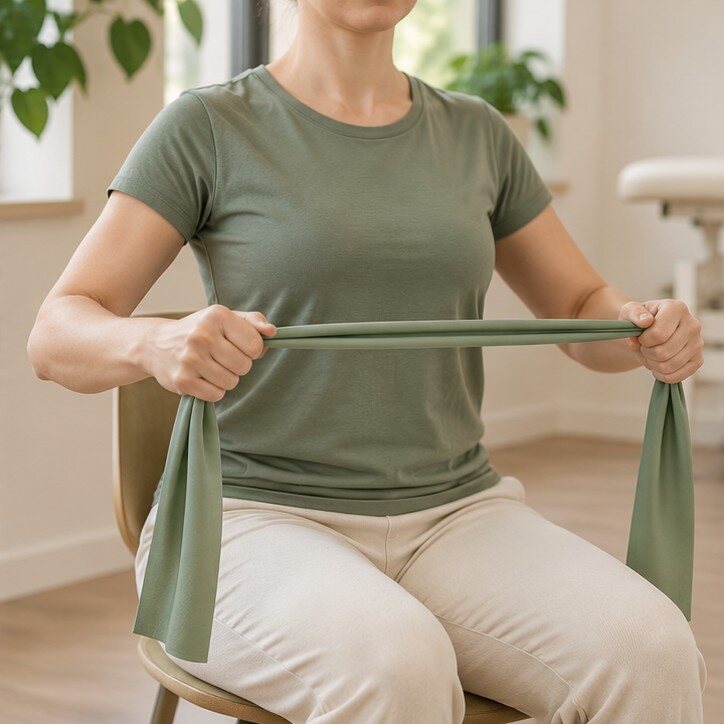
I tailor your treatment to your symptoms, mobility and personal goals.
The pelvic floor plays an essential role in bladder and bowel control, trunk stability and physical well-being. Changes in pelvic floor function can occur at different stages of life and may be associated with pregnancy, childbirth, hormonal changes or surgery.
Pelvic floor function can change at different stages of life. Pregnancy, childbirth, hormonal changes, surgery and other physical demands can all play a role.
I offer holistic, goal-oriented therapy with or without biofeedback and electrical stimulation.
I support you with back and pelvic pain during pregnancy and tailor treatment to your symptoms and daily life. To help you prepare for birth, I show you how to become more aware of your pelvic floor and relax it. Together we practise breathing techniques and positions you can use during labour.
Pregnancy and childbirth bring significant changes to the body. A comprehensive, individualised assessment can help you better understand your recovery and identify changes in muscle function and movement.
The check-up is suitable from six weeks after childbirth, taking your individual healing and recovery into consideration.
Following the assessment, you will receive a professional evaluation and recommendations for your next steps, supporting a gradual return to physical activity.
The postnatal period is a time of significant physical and emotional change. Through personalised rehabilitation, I support you in reconnecting with your body, restoring strength and improving physical function.
Treatment focuses on pelvic floor function, abdominal and trunk muscles, and integrating healthy movement strategies into everyday life with your baby.
Programme: three individual appointments of 60 minutes each and one online follow-up consultation of 30 minutes. Exercises and recommendations are tailored to your goals.
Please bring your physiotherapy prescription if you have one, along with your health insurance card. You can also bring any relevant medical reports or test results.
Compulsory health insurance covers prescribed physiotherapy when the statutory requirements are met. This includes the practice being authorised to bill compulsory health insurance. The usual deductible and co-payment rules apply.
A prescription is required for billing through compulsory health insurance. The first session must take place within five weeks of the prescription date. You can also pay for treatment yourself.
The length of the session depends on the type of treatment and, where applicable, the prescription.
I recommend starting a postnatal exercise course from six weeks after birth and after your postnatal check-up. The right time depends on your healing and recovery. A physiotherapy assessment may help if you have symptoms.
Yes. Prevention, body awareness and improving pelvic floor function are all part of my practice.
I offer the following treatments for women and men.
The pelvic floor is a fascinating and important part of the body. Understanding how it works can help you recognise symptoms early and take steps to support your health.
The brochure explains what the pelvic floor does, which symptoms physiotherapy may help with and what to expect at your first appointment.
Download the brochure (PDF, German)Record fluid intake, urine volume, urgency and any leakage over three days. Bring your completed diary to your appointment.
Download the bladder diary (PDF, German)For privacy questions and requests to access or correct your data, please write to the address above.
The “Get directions” link opens Google Maps, where Google’s privacy policy applies.
Google’s privacy policyThe practice is in Winterthur’s old town. Münzgasse is a small side street off Stadthausstrasse.
From Bahnhofplatz, walk through Untertor onto Marktgasse, then turn left into Münzgasse. The walk takes about 2–4 minutes.
From Winterthur main station, take bus 1, 3, 5 or 10 to Schmidgasse. From the stop, follow Stadthausstrasse towards the main station until you reach Münzgasse. The walk is roughly 100–200 m, depending on where you get off.
Walking route from SchmidgassePersonalised care in the heart of Winterthur
Request an appointment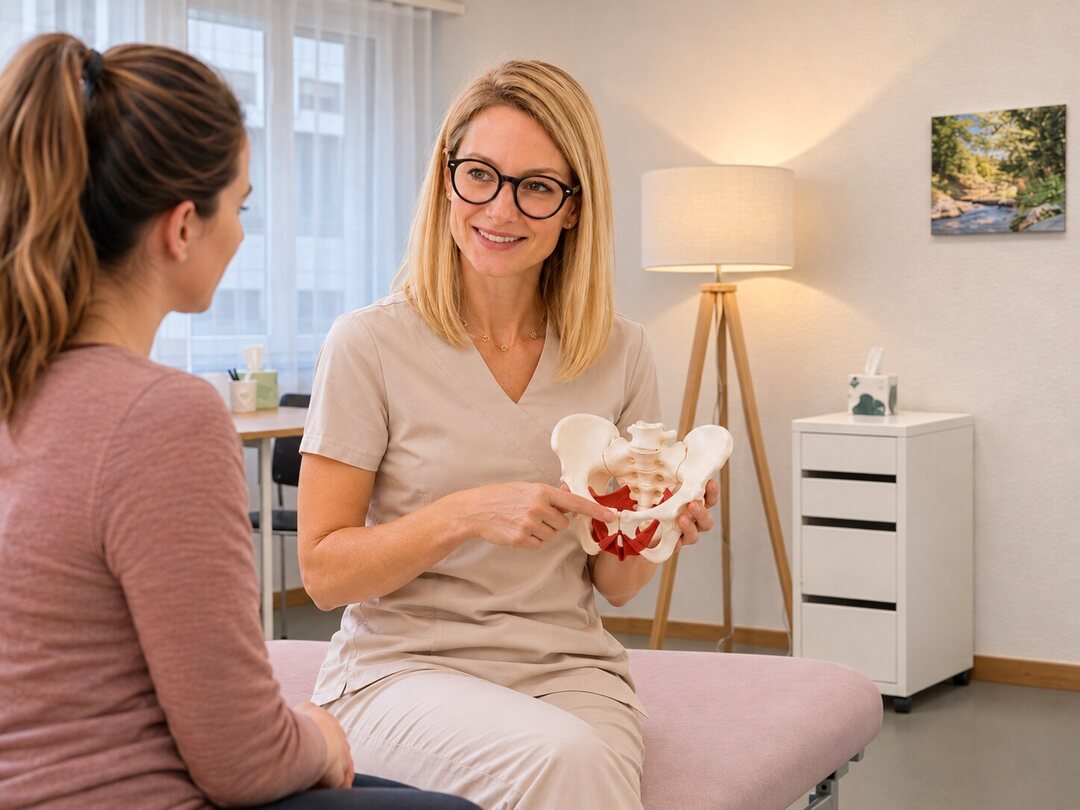
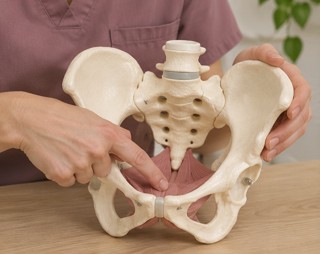
I support you with involuntary urine leakage, strong urinary urgency, prolapse symptoms, pelvic pain and difficulties emptying your bladder or bowels.
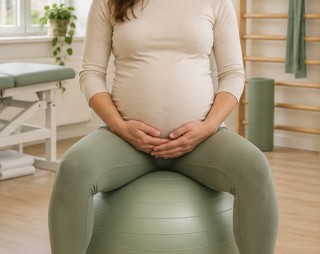
Physiotherapy for back and pelvic pain during pregnancy. Pelvic floor and abdominal check-up after birth, plus individual postnatal rehabilitation.
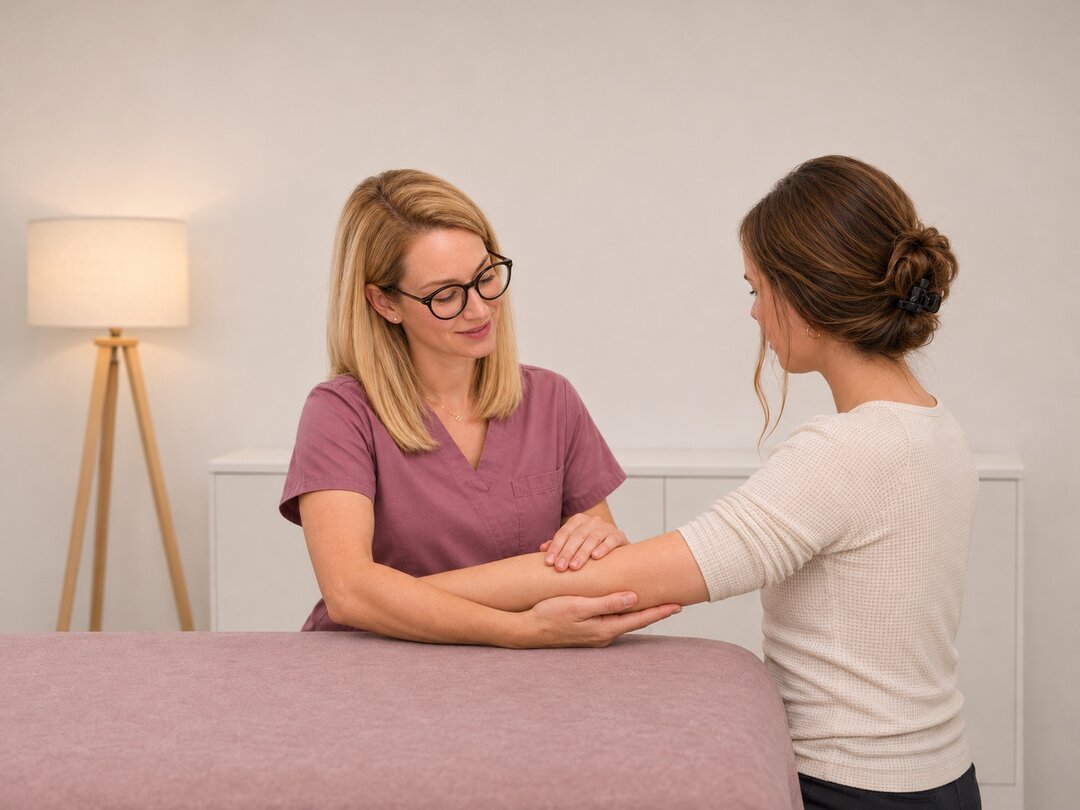
I tailor your treatment to your symptoms, mobility and personal goals.
Physiotherapist (FH)
Pelvic Floor Physiotherapist
Specialist in pelvic floor health,
pregnancy and postnatal rehabilitation
The pelvic floor is a fascinating and important part of the body. Understanding how it works can help you recognise symptoms early and take steps to support your health.
Explore the resourcesWhat should you bring to your first session? Do you need a prescription? Find answers to help you prepare for your appointment.
Read the FAQs